Showing all 15 resultsSorted by average rating


At Coldre Store, we believe that protecting your senses is just as important as protecting your body. Our shooting ear and eye protection collection is built for the people who operate in loud, demanding, and visually hazardous environments — competitive shooters running drills at the range, hunters navigating dense terrain at first light, industrial workers in high-decibel environments, and tactical operators who need clear vision and reliable hearing protection without sacrificing situational awareness.
Every round fired at the range produces a sound pressure level that can cause permanent hearing damage in a single exposure. Every unprotected eye is one ricochet, one debris fragment, or one UV-intense day away from irreversible injury. The right gear doesn’t just protect — it enhances your performance by letting you focus entirely on the task at hand, not on the discomfort or risk of exposure.
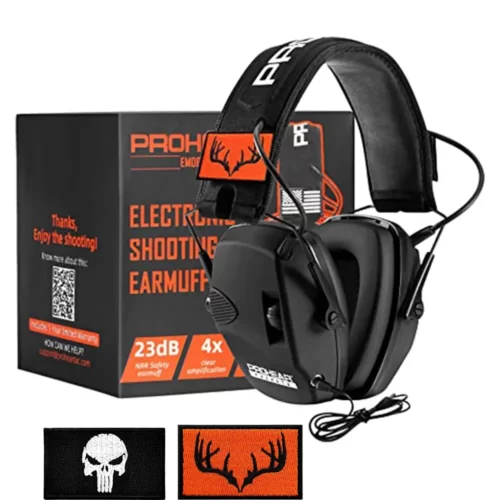
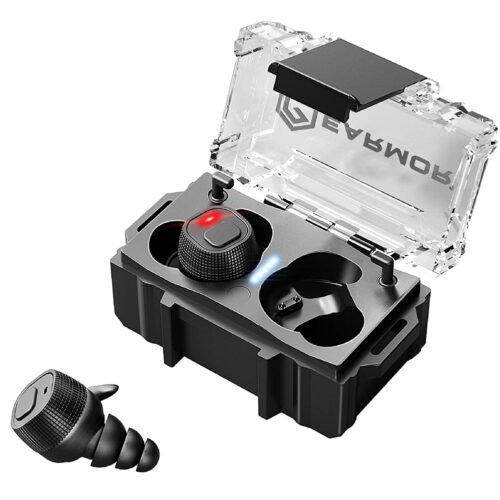
Standard industrial hearing protection is designed to block all sound — which works on a construction site but creates a dangerous blind spot at a shooting range or in the field. Tactical electronic hearing protection takes a fundamentally different approach: active amplification technology boosts ambient sounds like footsteps, commands, and environmental cues to normal conversational levels, while automatically compressing any sound above a safe threshold — typically 82–85 dB — in milliseconds. You hear more of what matters and none of what damages.
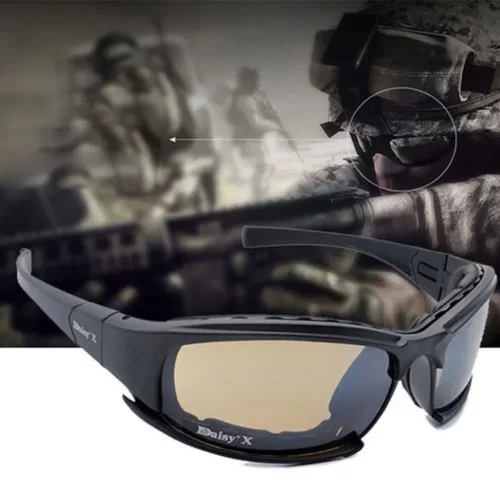
For eye protection, the difference between range-grade gear and consumer sunglasses comes down to impact resistance and optical clarity. Ballistic-rated lenses are tested against high-velocity projectile impacts that standard eyewear would shatter on. Anti-fog coatings, wraparound geometry, and OTG (Over The Glasses) compatibility aren’t comfort features — they’re operational requirements that determine whether your vision stays clear when conditions change.
Choosing the right protection requires matching the gear to the threat level and use case:
For ear protection:
NRR / SNR rating: Noise Reduction Rating (NRR) for US standards, SNR for European. For rifle shooting, look for NRR 22+ or SNR 26+
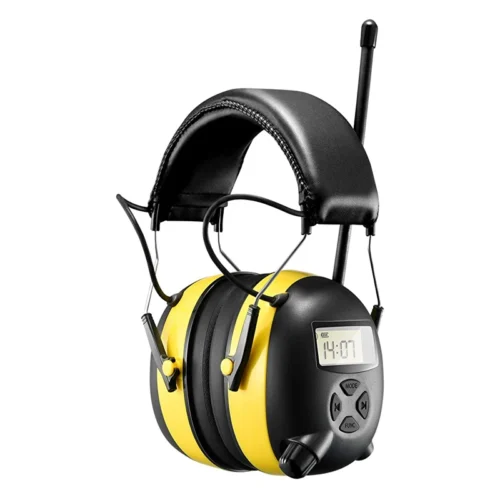
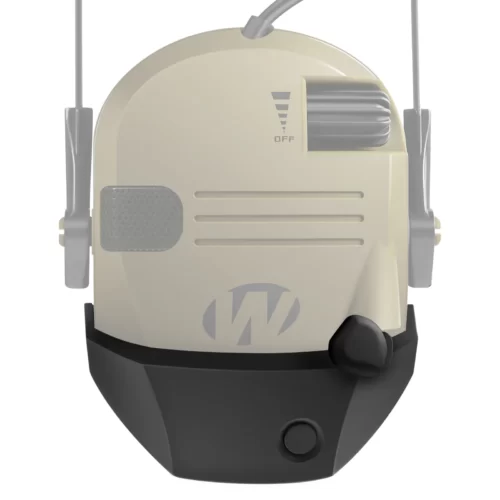
Electronic vs. passive: Electronic earmuffs allow ambient sound amplification — critical for range safety, hunting, and team communication. Passive earmuffs offer higher NRR for pure noise reduction
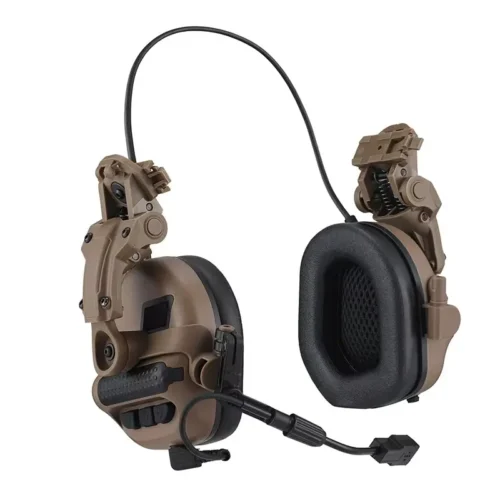
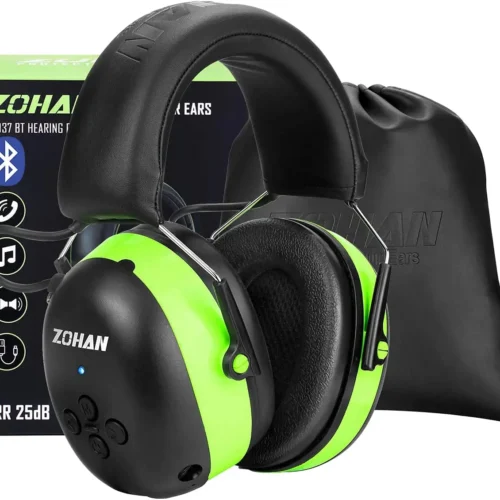
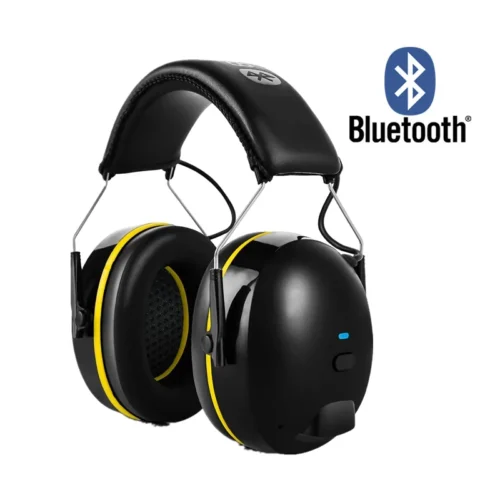
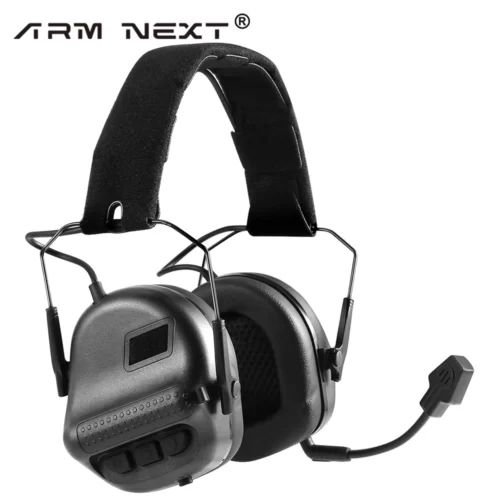
Bluetooth and PTT integration: wireless audio playback and push-to-talk compatibility for operators running radio comms alongside hearing protection
AUX / 3.5mm input: allows connection to a radio or device without wireless pairing
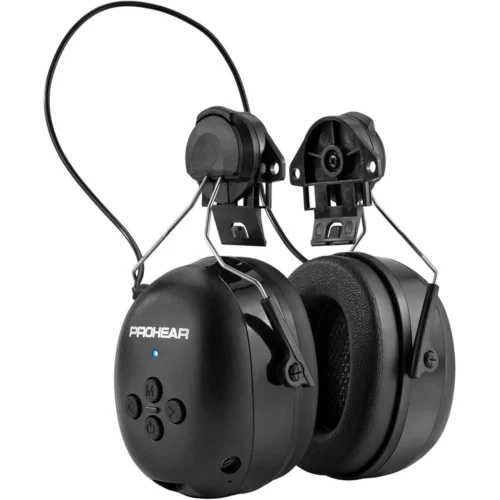
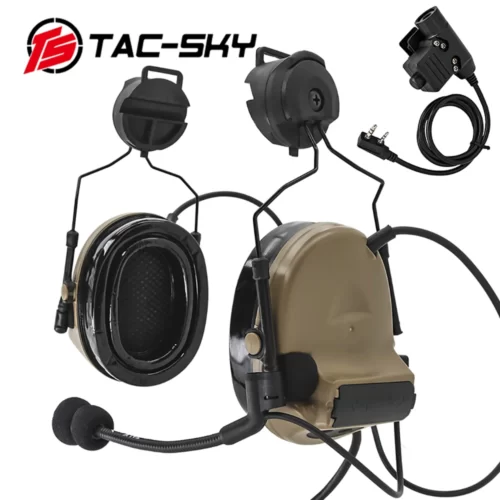
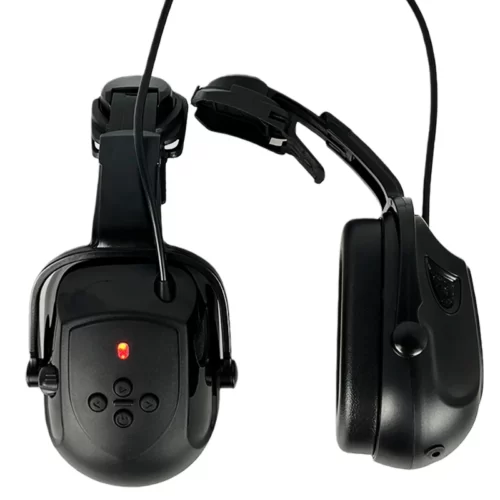
Hard hat compatibility: earmuff mounting arms designed for slotted industrial helmets — essential for construction and tactical environments requiring combined head and hearing protection
For eye protection:
Lens material: polycarbonate (PC) offers the best impact resistance-to-weight ratio for shooting and tactical use
Anti-fog coating: dual-sided coating prevents condensation during rapid temperature changes or high-exertion activity
UV400 protection: blocks 99.9% of UVA/UVB/UVC rays — essential for extended outdoor exposure
OTG (Over The Glasses) compatibility: frame depth that fits over standard prescription eyewear without pressure on temples or the nose bridge
Ballistic rating (ANSI Z87.1 / MIL-PRF-31013): impact resistance standard required for range use and tactical environments
Lens tint options: clear for low-light or indoor ranges; yellow/amber for overcast conditions; smoke/grey for bright daylight
Hearing and vision hazards appear across more environments than most people realize:
Competitive and recreational shooters: mandatory protection at every range — electronic earmuffs provide hearing protection without blocking range commands or spotter feedback
Hunters: electronic earmuffs amplify game movement and environmental cues while protecting against muzzle blast from high-powered rifles
Tactical operators and law enforcement: integrated Bluetooth and PTT capability allows radio communication without removing hearing protection
Industrial and construction workers: high-NRR earmuffs with hard hat mounting compatibility for all-day noise exposure in regulated environments
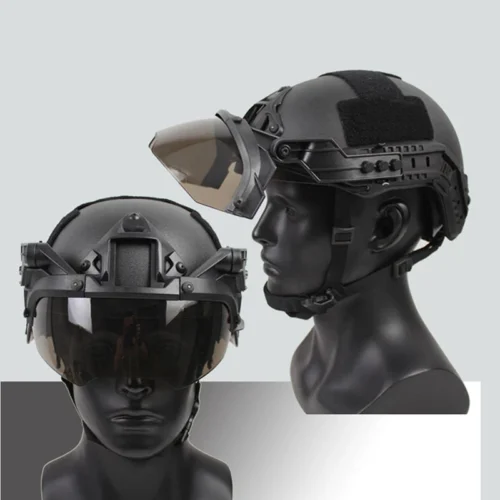
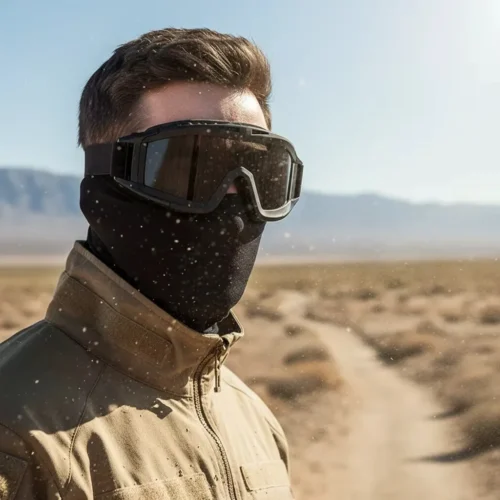
Airsoft and mil-sim players: ballistic-rated goggles with OTG frames and anti-fog coatings for extended scenarios in varied conditions
Outdoor and range instructors: electronic amplification lets instructors communicate clearly with students while staying protected from repeated muzzle blasts
The most important principle when choosing ear and eye protection is this: gear you actually wear consistently is worth more than gear with better specs sitting in your bag. Comfort, fit, and integration with your existing loadout determine whether protection happens every time — or only when it’s convenient.
Questions about compatibility or fit? Visit our FAQ or contact our team directly.