IWB Holsters

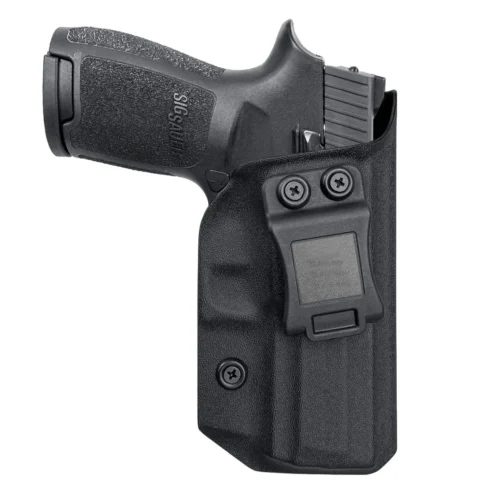
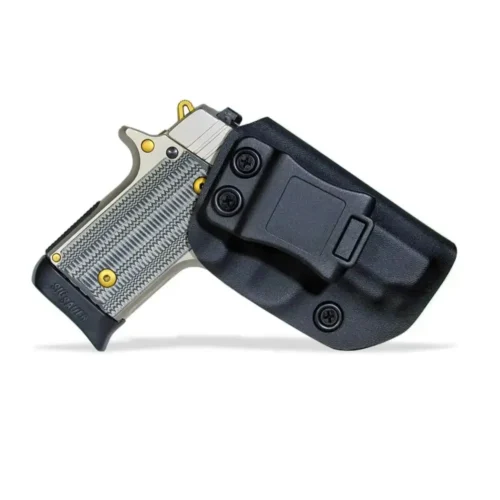
  • Sig Sauer P238 IWB Kydex Holster

    Sig Sauer P238 IWB Kydex Holster

    $49.99
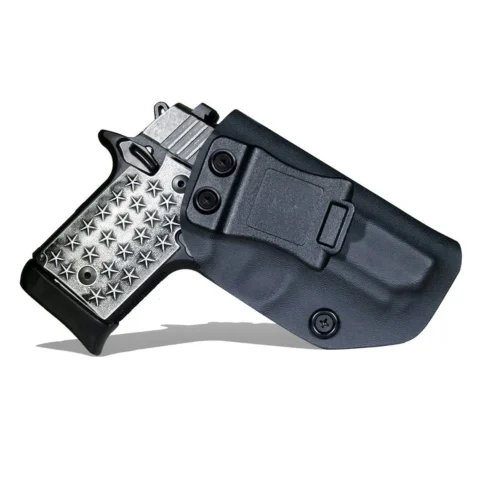
  • Sig Sauer P938 IWB Kydex Holster

    Sig Sauer P938 IWB Kydex Holster

    $49.99
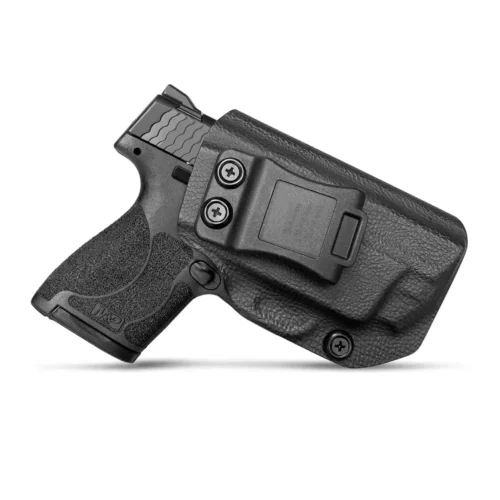
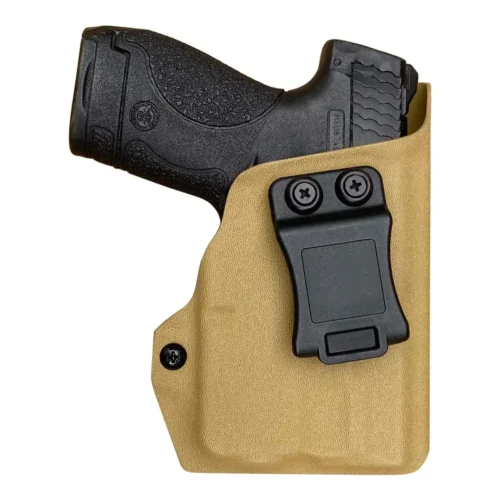
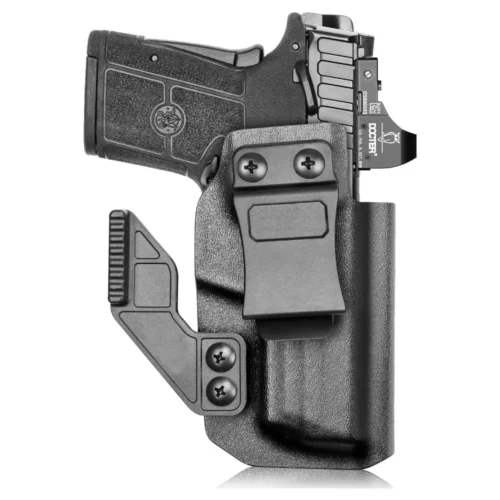
  • Smith & Wesson M&P Shield M2.0 IWB Kydex Holster with TLR6

    Smith & Wesson M&P Shield M2.0 IWB Kydex Holster with TLR6

    $63.99
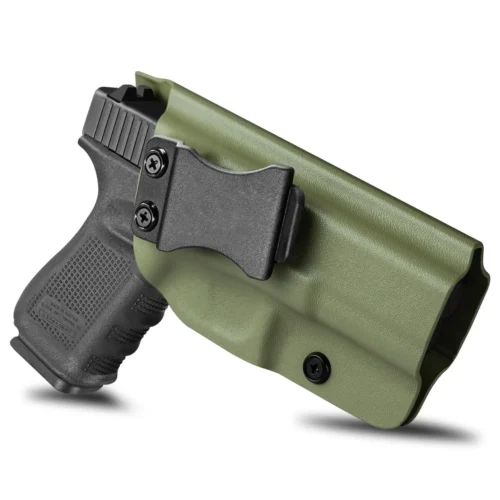
  • Glock 19 19x 23 32 45 IWB Kydex Holster

    Glock 19 19x 23 32 45 IWB Kydex Holster

    $49.99
  • Smith & Wesson Equalizer IWB Kydex Holster

    Smith & Wesson Equalizer IWB Kydex Holster

    $59.99
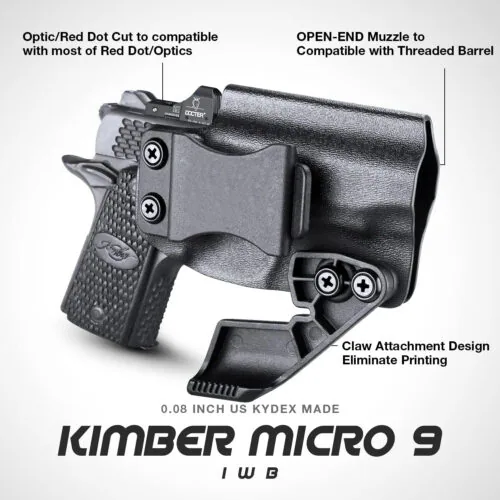
  • Kimber Micro 9 IWB Kydex Holster

    Kimber Micro 9 IWB Kydex Holster

    $51.99
  • Kimber Micro 9 IWB Kydex Holster

    Kimber Micro 9 IWB Kydex Holster

    $59.99
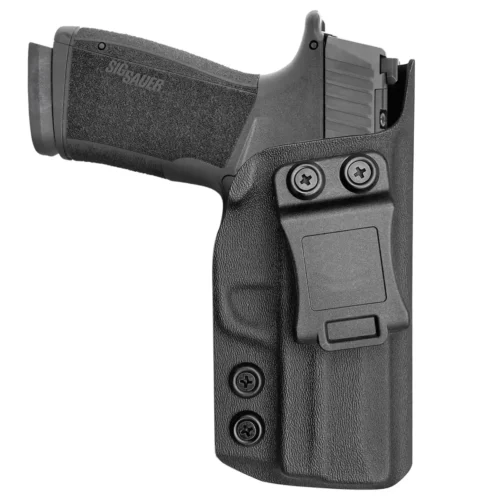
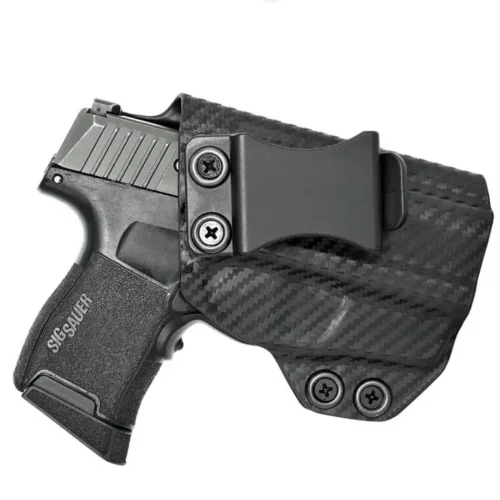
  • Sig Sauer P365 with Flashlight IWB Kydex Holster

    Sig Sauer P365 with Flashlight IWB Kydex Holster

    $49.99
  • IWB Kydex Holster Glock 19 23 25 32 44 45

    Glock 19 23 25 32 44 45 IWB Kydex Holster

    $59.99
  • IWB Kydex Holster Glock 17 22 31

    Glock 17 22 31 IWB Kydex Holster

    $59.99
  • Kydex Holster IWB Glock G42

    Glock G42 Kydex Holster IWB

    $49.90
  • Kydex Holster IWB SCCY CPX1 CPX2

    Sccy Cpx1 Cpx2 Kydex Holster IWB

    $49.90
  • Kydex Holster HK P30

    HK P30 IWB Kydex Holster

    $49.90
  • Kydex Holster IWB HK USP

    HK USP IWB Kydex Holster

    $49.90
  • Kydex Holster IWB HK USP Compact /P2000

    HK USP Compact /P2000 IWB Kydex Holster

    $49.99
  • Kydex Holster IWB Glock G48 - Streamlight TLR 6

    Glock G48 – Streamlight TLR 6 IWB Kydex Holster

    $51.99

At Coldre Store, we know that the most important holster you own is the one you actually carry every day. Our IWB holster collection is built for concealed carriers who refuse to compromise between comfort, concealability, and draw speed — whether you’re carrying appendix at 1 o’clock, strong-side at 3 to 4 o’clock, or kidney at the 4:30 position that experienced carriers have relied on for decades.

An inside the waistband holster positions your firearm between your body and your waistband, held in place by one or more clips or loops attached to your belt. This carry method consistently outperforms every alternative when the objective is concealment — because the garment that conceals the firearm is the same garment you’re already wearing, not an additional cover garment required on top. The result is a carry system that works in any season, any clothing choice, and any environment where you need to remain undetected.

IWB vs. AIWB — Understanding the Difference

The inside the waistband holster category covers two distinct carry positions that function differently in practice and serve different carry priorities.

Standard IWB positions the firearm at the strong-side hip — typically 3 to 5 o’clock for right-handed carriers, 7 to 9 o’clock for left-handed carriers. This position keeps the firearm behind the hip bone and away from the body’s centerline, which reduces printing when seated and distributes weight comfortably across the belt line during extended wear. Strong-side IWB is the baseline carry position for most new carriers and remains the most widely adopted concealed carry method for all-day use.

AIWB (Appendix Inside the Waistband) positions the firearm at the front of the body — 1 o’clock for right-handed carriers, 11 o’clock for left-handed carriers. The appendix position delivers the fastest draw stroke of any concealed carry method because the firearm is positioned directly in front of the dominant hand’s natural reach. It also maintains firearm control when seated in a vehicle and keeps the gun within the carrier’s field of vision at all times. AIWB holsters typically include a claw or wing attachment that levers the grip inward against the body under belt pressure, dramatically reducing printing through clothing.

What to Look for in an IWB Holster

Selecting an IWB holster requires matching five variables to your specific firearm, body type, carry position, and daily routine:

Material:

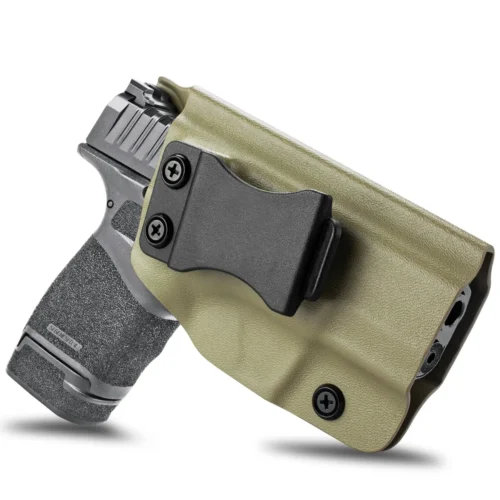
  • Kydex: thermoformed polymer shell precision-molded to a specific firearm model — delivers an audible and tactile click on re-holster that confirms the firearm is fully seated, maintains consistent retention regardless of temperature or moisture, and requires no break-in period

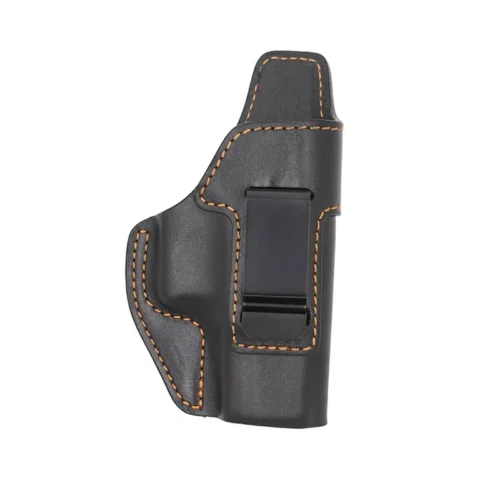
  • Leather: conforms to body shape over time for exceptional long-term comfort; requires a break-in period; retention softens with heat and moisture — best suited for all-day casual carry in mild climates

  • Hybrid: Kydex shell bonded to a leather or neoprene backing panel — combines the retention precision of Kydex with the body-contact comfort of a softer backing material; the most popular format for full-day concealed carry

Retention:

  • Passive retention: friction-based hold maintained by the holster shell’s fit around the trigger guard — adjustable via tension screws on Kydex models

  • Active retention: mechanical device (thumb break, retention hood, trigger guard lock) that requires deliberate disengagement before the draw — adds security in physically demanding environments

Cant:

  • Neutral (0°): vertical carry — fastest re-holster, most natural for strong-side open carry

  • Forward cant (FBI cant, 10–20°): grip angles forward, pulling the muzzle rearward — the most common IWB configuration because it presses the grip flat against the body to minimize printing

  • Negative cant: grip angles rearward — used for cross-draw and some AIWB configurations

Clip type and count:

  • Single clips offer a lower profile and easier on/off; dual clips distribute load more evenly and resist holster movement during the draw stroke

  • J-hooks, C-clips, and combat loops each offer different tradeoffs between belt width compatibility, retention under draw, and ease of removal without undressing

Sweat guard height:

  • Full sweat guards protect the firearm’s slide and controls from body perspiration and provide a friction surface that keeps the holster oriented correctly

  • Half guards allow a higher grip on the draw without obstruction — preferred by carriers who prioritize draw speed over moisture protection

Carry Position Guide

Choosing the right position determines whether your concealed carry holster disappears into your daily routine or becomes the reason you leave the gun at home.

Position Clock (RH) Best For Consideration
Strong-side hip 3:00 All-day carry, new carriers Most natural draw arc
Kidney / 4:30 4:00–5:00 Maximum concealment, seated comfort Slightly longer draw stroke
Appendix (AIWB) 1:00 Draw speed, vehicle carry Requires deliberate muzzle discipline
Small of back 6:00 Maximum concealment standing Slow draw; injury risk if falling

Most experienced carriers eventually settle on either strong-side kidney or appendix carry — positions that balance concealability, draw speed, and comfort across the full range of daily activities.

Who Needs an IWB Holster?

The inside the waistband holster is the foundation of everyday concealed carry for every type of carrier:

  • Everyday concealed carriers (EDC): the primary holster for daily life — work, errands, social environments — where printing and discretion matter

  • Law enforcement (off-duty): compact and subcompact carry during plainclothes hours where a duty holster is inappropriate

  • New CCW permit holders: the most accessible entry point into concealed carry, with the widest selection of firearm-specific fits and price points

  • Experienced carriers upgrading their system: Kydex precision-fit and AIWB configurations for carriers optimizing draw speed and long-term comfort

  • Women carriers: purpose-cut IWB holsters designed for female body geometry and waistband profiles that differ from standard male-oriented designs

The IWB holster earns its place as the most popular concealed carry platform in the world for one reason: it works. It conceals reliably, draws consistently, and — when properly fitted and positioned — can be worn all day without reminding you it’s there.

Questions about compatibility or fit? Visit our FAQ or contact our team directly.

Read More >>